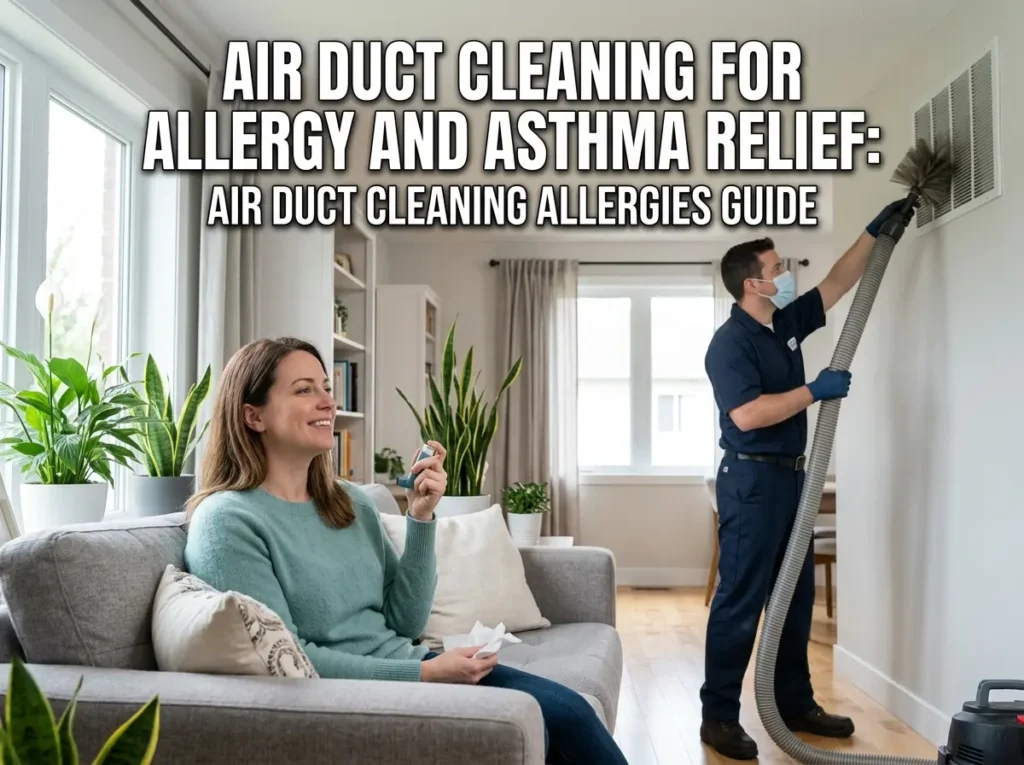
Sneezing, itchy eyes, coughing, or wheezing can make home feel less restful. You may notice symptoms after the furnace starts or during pollen season. That can lead you to wonder whether dust inside the vents is the cause. Many homeowners search for air duct cleaning allergies when they want a cleaner home and easier breathing. Duct cleaning may help when the system holds heavy debris, mold, or pest waste. It is not a proven treatment for allergies or asthma. EPA says duct cleaning has not been shown to prevent health problems. A careful plan starts by finding the real triggers in your home instead of blaming every symptom on the ducts.
This guide explains when cleaning may make sense for an Aurora home. It also covers filters, moisture, pets, pollen, and regular cleaning. Dust mites, pet dander, mold, pests, and pollen can act as asthma or allergy triggers for some people. Yet these allergens may collect in carpets, bedding, furniture, and other places outside the HVAC system. That is why one service rarely solves every indoor air concern. SteamRite can inspect the ductwork and show whether a clear problem is present. Your doctor or allergy specialist should guide any medical care. Home service workers can improve building conditions, but they cannot diagnose symptoms or promise duct cleaning asthma relief.
Can Air Duct Cleaning Help With Allergies or Asthma?
It may help in a limited case, but the result depends on what is inside the system. Cleaning can remove heavy dust, pest debris, or visible mold from parts that can be safely cleaned. This may reduce one source of particles when those materials are being pushed into rooms. Still, EPA says research has not shown that dirty ducts always raise dust levels in a home. Much of the dirt may stay stuck to duct surfaces. Cleaning also cannot remove allergens from beds, rugs, curtains, sofas, or pets. Be careful with any promise of duct cleaning asthma relief or guaranteed improved breathing. A better goal is to remove a confirmed source while using other steps to lower triggers throughout the home.
When Does Duct Cleaning Make Sense?
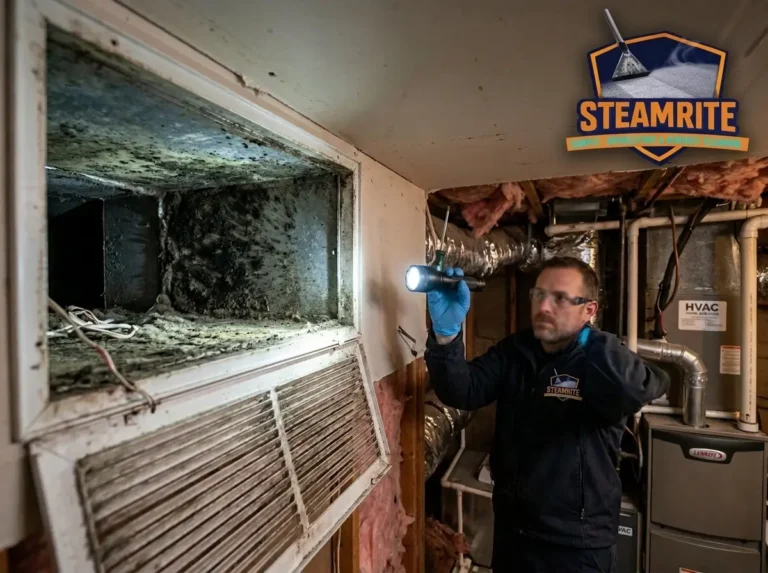
Ask for an inspection when you see debris blowing from supply vents, find pest signs, or see visible mold on hard system parts. Cleaning may also be worth checking after major remodeling if dust entered open ducts. A dusty vent cover alone does not prove that the full system is dirty. Weak airflow may come from a clogged filter, closed damper, damaged duct, or equipment problem. The technician should show the affected area before giving a final plan. If mold or pests are present, the source must be fixed first. Wet insulated ducts may need replacement instead of cleaning. This approach makes air duct cleaning allergies work part of a clear home plan, not a routine service based on fear.
Why Does a Whole-Home Allergy Plan Matter?
Allergens do not stay in one place. Dust mites often live in bedding, carpets, and soft furniture. Pet allergens can come from skin flakes, saliva, and other tiny material. Pollen enters through doors, windows, shoes, clothing, and outdoor air. Mold grows where moisture remains. A duct cleaning visit cannot control all these sources. EPA says source control is often the best first step for better indoor air. For a family trying to improve indoor air quality allergies aurora co, the plan should match the triggers found in that home. It may include cleaning, repairs, better filters, moisture control, and medical advice. One useful step can support the plan, but it should not be sold as the whole answer.
Start With the Main Allergen Sources
Begin with the places where allergens are most likely to collect. Wash bedding as advised for dust-mite control, clean floors with methods that limit loose dust, and keep pets out of bedrooms when pet dander is a known trigger. Fix water leaks and remove moldy material. Keep food sealed and repair pest entry points. During high pollen days, closing windows may reduce outdoor pollen entering the home. These steps often matter more than cleaning a duct that holds only light, stuck dust. The phrase dust allergen removal ductwork may sound like a full answer, but allergen control works best across the whole home. Talk with a healthcare provider to identify personal asthma triggers before making large service choices.
Use Filtration as One Part of the Plan
A good air filtration system can catch some airborne particles while the HVAC system runs. The filter must fit the unit and should not block needed airflow. Follow the equipment maker’s advice or ask an HVAC professional which filter level the system can handle. Portable air cleaners with a true HEPA filter may also help remove particles in one room. EPA reports that some studies found improvement in certain allergy or asthma symptoms, but results were not large or the same for everyone. No filter removes every indoor pollutant. Change dirty filters on time, keep return vents open, and clean the unit as directed. Filtration works best with source control, moisture repair, and regular home cleaning.
What Should a Proper Duct Cleaning Service Include?
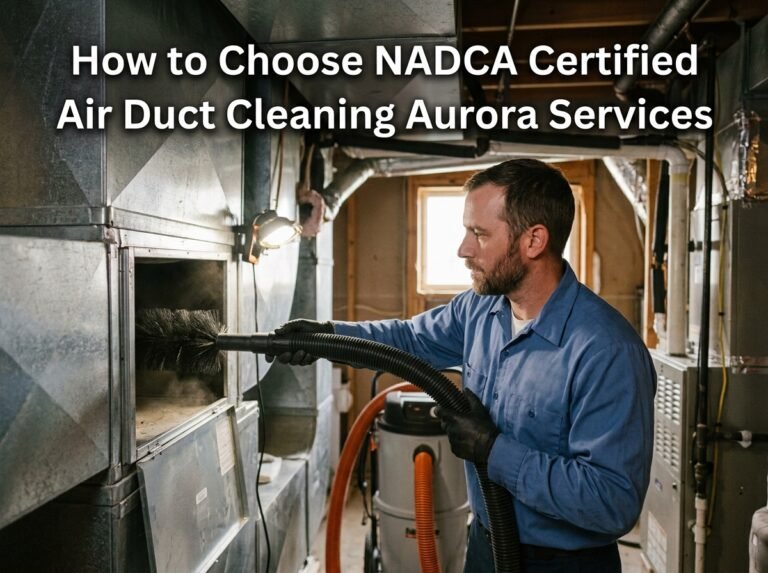
The job should begin with a before-service inspection. The technician should check supply ducts, return ducts, registers, the filter area, and nearby HVAC parts. The company should explain which sections need cleaning and why. During service, vacuum equipment should control loose dust while tools remove buildup from reachable surfaces. The tools must fit the duct material. Floors, furniture, and nearby rooms should be protected. Afterward, access holes must be sealed, and the crew should show the cleaned areas. A request for dust allergen removal ductwork should not lead to a vague whole-house price. Ask for a written scope that separates cleaning, repairs, mold work, and any added products. Avoid sprays that are offered as a quick allergy cure.
How Can Aurora Families Plan Around Allergy Seasons?
Start by tracking when symptoms become worse. Note whether the change happens during outdoor pollen periods, after cleaning, near pets, in one room, or when the HVAC fan starts. This record can help a doctor and home service provider look for different causes. Pollen can enter a home and settle on surfaces or reach vents, but pollen buildup in vents is only one possible source. Replace filters as directed and keep windows closed when outdoor pollen affects your family. Showering and changing clothes after outdoor time may also keep pollen out of sleeping areas. People searching improve indoor air quality allergies aurora co should focus on a steady plan instead of one seasonal service.
Families with children should be extra careful with health claims. Children with asthma need medical care and a clear asthma action plan. Parents should share that plan with caregivers and schools when needed. Home changes can lower some triggers, but they do not replace prescribed medicine or medical advice. If a child has new wheezing, trouble breathing, or symptoms that do not improve, seek medical help. A duct cleaner can check the HVAC system for visible dirt, moisture, or pests. The cleaner cannot tell you whether the system caused a child’s symptoms. This clear split protects children’s respiratory health and helps the family spend money on steps that match the real problem.
How Should You Choose an Aurora Duct Cleaner?
Choose a company that explains limits as clearly as benefits. Ask why cleaning is needed and request photos of the problem. The quote should list all supply and return areas, HVAC parts, access points, cleanup, and final checks. Ask what vacuum and brush tools will be used. Find out how the crew will protect your home and stop loose debris from spreading. Avoid a company that promises seasonal allergy relief, asthma treatment, or a fully allergen-free house. Those claims go beyond the evidence. A fair provider should also explain when cleaning is not needed. SteamRite should give you a clear scope and time to compare it with another quote before you approve the work.
Make a Clear Plan for Cleaner Indoor Air
The best plan starts with the trigger, not the service. Use air duct cleaning allergies care when an inspection finds heavy debris, pests, mold, or another clear problem inside the system. Then deal with allergens in bedding, carpets, furniture, and pet areas. Repair leaks and keep the HVAC system dry. Use a suitable filter and consider a portable HEPA unit for rooms where it may help. Work with a healthcare provider on asthma or allergy symptoms. SteamRite can inspect Aurora ductwork and explain what can be cleaned, repaired, or left alone. This balanced approach may support cleaner air without promising a cure. It also helps your family avoid paying for work that does not match the source.
Frequently Asked Questions
These answers cover common questions about allergies, asthma, and HVAC care. Every home and every person is different. A service that helps remove visible debris in one house may not change symptoms in another. Before booking, ask a doctor about ongoing breathing problems and ask the duct cleaner for proof of contamination. Keep a simple record of symptoms, filter changes, leaks, pets, and seasonal changes. This can help you see patterns. A written quote should explain what will be cleaned, which parts need repair, and how the crew will protect the home. Do not rely on a promise of guaranteed health results.
Can Duct Cleaning Cure Allergies?
No. Duct cleaning is not a medical treatment or cure. It may remove a confirmed source of heavy debris, but allergies can come from pollen, pets, dust mites, mold, and many other places.
Can Duct Cleaning Help Asthma?
It may reduce one trigger when contaminated ducts are releasing debris. However, duct cleaning asthma relief is not guaranteed. Follow your medical plan and work with a doctor to identify personal triggers.
How Often Should Allergy Sufferers Clean Ducts?
There is no set schedule. EPA suggests cleaning ducts when there is a clear need, such as heavy debris, pests, or visible mold. An allergy diagnosis alone does not prove cleaning is needed.
Will a HEPA Filter Help?
A HEPA air cleaner may reduce airborne particles in one room. Some studies found improvement in certain symptoms, but results vary. Choose the right unit size and keep replacing filters as directed.
Can Cleaning Remove Pet Dander?
Cleaning may remove pet debris inside affected ducts, but dander also stays on floors, beds, and furniture. Keep pets out of bedrooms when advised and clean the full home, not only the vents.
When Should I Call SteamRite?
Call when debris blows from vents, pests enter ducts, mold appears, or you want an inspection after dusty work. SteamRite can check whether cleaning fits your home without promising a medical result.