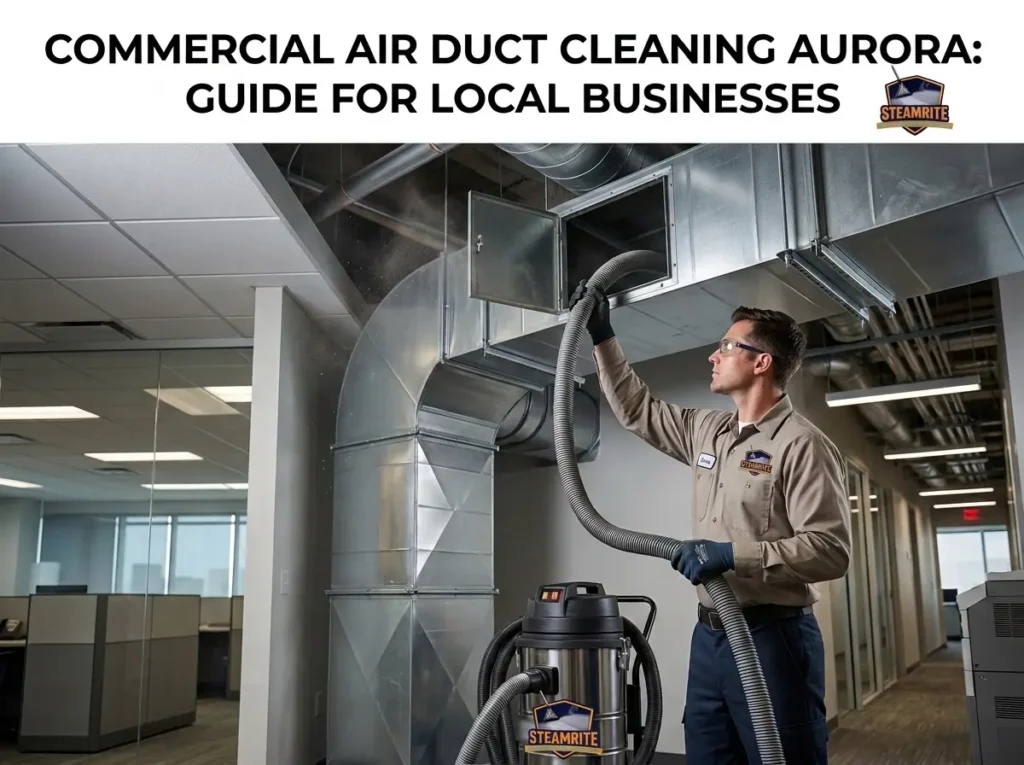
Dust inside a large duct system can be hard to spot. You may first notice weak airflow, dusty vents, odd smells, or hot and cold rooms. Staff may also say that one area feels stuffy. These signs do not prove the ducts need cleaning. A dirty filter, broken damper, water leak, or poor air balance may cause the same problem. Commercial air duct cleaning services in aurora also start with a full check, not a fast sales pitch. This guide explains when cleaning may help, what the work includes, and how to plan it around your business.
Aurora businesses use many kinds of heating and cooling systems. An office may have several zones. A restaurant may have comfort ducts and a separate kitchen exhaust. A store may share equipment with other units. A warehouse may have long runs and high vents. These differences change the tools, access, timing, and cost. EPA and OSHA both point to HVAC care as part of good indoor air management. Cleaning is only one part of that work. Filters, fresh air, moisture control, and repairs also matter.
What Does Commercial Duct Cleaning Include?
A full job may cover supply ducts, return ducts, air vents, coils, fans, drain pans, and parts near the air handler. The written scope should name every part. It should also list any areas that are not included. A commercial HVAC cleaning service may use large vacuum units, air tools, brushes, and hand cleaning. The crew should protect desks, stock, food areas, and work gear. It may also need to seal off work zones. NADCA guidance calls for negative air pressure during cleaning. This helps keep loose dust inside the work area. Workers should seal removed dirt before taking it out of the building. The final service should include cleanup and a clear check of the cleaned areas.
When Is Commercial Air Duct Cleaning Aurora Worth It?
Cleaning makes sense when an inspection finds a real source of dirt. Common reasons include heavy dust, building work debris, pest waste, or visible growth on cleanable parts. Water inside the system also needs quick care. The leak or wet source must be fixed first. Cleaning alone will not stop the problem from coming back. Strong smells and weak airflow may also need more testing. They can come from blocked filters, closed dampers, poor fresh air, or broken parts. OSHA lists poor HVAC care, low outdoor air, moisture, and building work among common indoor air concerns. A clear inspection helps the property manager choose cleaning, repair, or another fix. It also keeps the business from paying for work that does not solve the real problem.
How Does the Cleaning Process Work?
The crew should first review floor plans, HVAC zones, access doors, and work hours. It should inspect the system and take clear photos. Next, workers shut down or isolate the section being cleaned. A vacuum keeps that section under negative air pressure. Air whips, soft brushes, or other tools loosen dust from the inside walls. The vacuum then pulls the dirt into a sealed unit. If vacuum equipment releases air inside the building, NADCA calls for HEPA filtration. Workers should clean one section at a time. They should also protect nearby rooms, desks, products, and machines. After cleaning, they close access holes and remove all covers. A final check should show what was cleaned and note any damage that still needs repair.
Why Does Clean and Sound Ductwork Matter?
Clean and sound ducts help the HVAC system move air as planned. They also make leaks, wet areas, and damaged parts easier to find. Yet cleaning should not be sold as a cure for every air concern. EPA says office air quality depends on the HVAC system, room layout, building use, and pollution sources. OSHA also says good building care includes HVAC upkeep, enough fresh air, clean work areas, and safe chemical storage. A useful plan looks at the whole building. It does not blame every smell or comfort complaint on dirty ducts. Comfort reports from staff can still help the facility team. A room that feels hot, cold, stuffy, or drafty may point to a blocked vent or failed damper. Do not promise that cleaning will improve employee health and productivity. That claim is too broad. Use cleaning to remove a confirmed source and support better system care. Colorado also warns that wildfire smoke can enter buildings. During smoke events, filters and airflow plans may need extra checks. Duct cleaning does not replace a smoke plan.
How Do Needs Change by Property Type?
Each property has a different airflow plan. Office building duct cleaning may focus on ceiling runs, shared returns, meeting rooms, and several HVAC zones. Work often happens after hours so desks can stay open. Retail jobs need dust control near stock and customer areas. Warehouse ventilation may include roof units, high ducts, and hard-to-reach vents. Multi-unit ductwork may also cross tenant spaces. The owner, tenant, and property manager should agree on access before work starts. A system map can prevent missed areas and repeat visits. Restaurants need a clear split between comfort ducts and grease exhaust. Restaurant duct cleaning aurora co usually covers ducts serving dining rooms, offices, and other indoor areas. The restaurant kitchen exhaust is a separate system. It carries grease, heat, and smoke from cooking. Aurora Fire Rescue lists kitchen hood exhaust cleaning as an inspection and maintenance report type. Do not let a comfort-duct quote replace required hood work. Ask which system the crew will clean and which rules apply.
How Should You Plan the Work and Budget?
Start with a site walk and a short problem list. Note dusty areas, weak vents, water marks, smells, and staff reports. Ask the contractor to mark each air handler, duct zone, and access point. The plan should show work hours, noise limits, and safety steps. It should explain how the crew will protect computers, food, products, and open work areas. For office building duct cleaning, tell staff which rooms will close and when the system will stop. For warehouses, plan lift access and clear floor space. Some sites need weekend work. Others can clean one floor at a time.
There is no fair flat price for every building. Cost changes with system size, duct length, access, buildup, and work hours. Ask for a site estimate. The quote should separate setup, cleaning, access panels, repairs, disposal, and final checks. A commercial HVAC cleaning service should state whether coils, fans, and air handlers are included. Compare bids only after the scopes match. This helps control the budget and avoid surprise fees.
What Rules and Contractor Details Should You Check?
Aurora uses the 2021 International Mechanical Code and the 2021 International Fire Code, along with other adopted codes. Basic cleaning is not the same as changing a mechanical system. If work changes duct layout, equipment, kitchen exhaust, or fire parts, ask whether permits or inspections are needed. Use current city pages or speak with Aurora’s building staff before work starts. This supports building code compliance and helps avoid delays. Ask each company to inspect the site before giving a final quote. Check training, insurance, and work on similar buildings. Ask how the crew controls dust and checks negative pressure. The contractor should explain the plan in plain words. It should not use fear or make health promises. For restaurant duct cleaning aurora co, make sure the quote separates comfort HVAC work from kitchen exhaust work. Ask for a before and after report with photos. SteamRite can inspect the site and plan the work around your open hours.
Make a Clear Plan for Your Aurora Property
The best plan starts with proof. Do not book commercial air duct cleaning aurora only because a vent looks dusty. Ask what caused the dirt and which parts are affected. Then compare cleaning with filter changes, repairs, sealing, or air balance work. Choose a contractor that protects your site and explains each step. A clear scope can help control cost and reduce downtime. It also gives your facility team a record for future service. SteamRite can review office HVAC systems, retail ducts, warehouse ventilation, and other commercial systems. A site check can show whether cleaning is needed and how the work can fit your business schedule.
Frequently Asked Questions
Commercial ductwork can raise many questions. The right answer depends on the building, system, and source of the problem. A small office may need a short visit. A large site may need several shifts and zones. Restaurants also have separate kitchen exhaust needs. Use the answers below as a starting point. Then ask for a site check and written scope. The quote should list each system, cleaning area, work hour, safety step, and final check. It should also show which repairs or added services are not part of the base price. This makes each bid easier to understand and compare.
How Often Should Commercial Ducts Be Cleaned?
There is no single schedule for every building. Plan an inspection when you see heavy dust, water, pests, or debris near vents. System use and building type also affect the need.
Can Cleaning Be Done After Business Hours?
Yes, many jobs can happen at night or on weekends. The company should explain noise, shutdown time, access needs, and which rooms must stay closed during the work.
Is Office Duct Cleaning Different From Home Service?
Yes. Office building duct cleaning may involve several zones, shared returns, roof units, and more access points. It may also need phased work to keep part of the building open.
Does Restaurant Service Include the Kitchen Hood?
Not always. HVAC ducts and grease exhaust are separate systems. Confirm the scope before booking. Aurora tracks kitchen hood exhaust cleaning through its fire inspection and maintenance process.
How Much Does Commercial Cleaning Cost?
Cost depends on system size, access, duct length, work hours, and buildup. Request a site estimate that lists setup, labor, equipment, cleanup, repairs, and extra shift costs.
What Should a Commercial Contract Include?
It should list the areas, parts, work hours, safety steps, price, and final report. It should also explain added charges, cleanup, waste handling, and who approves extra work.