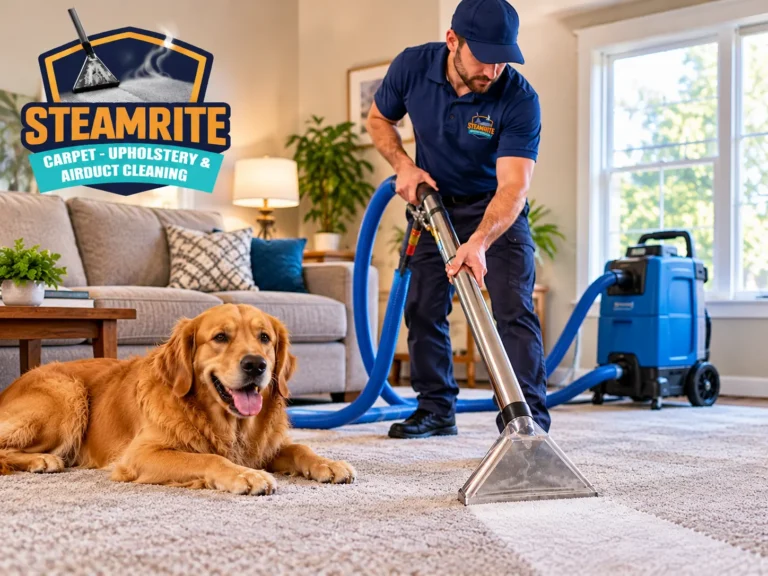
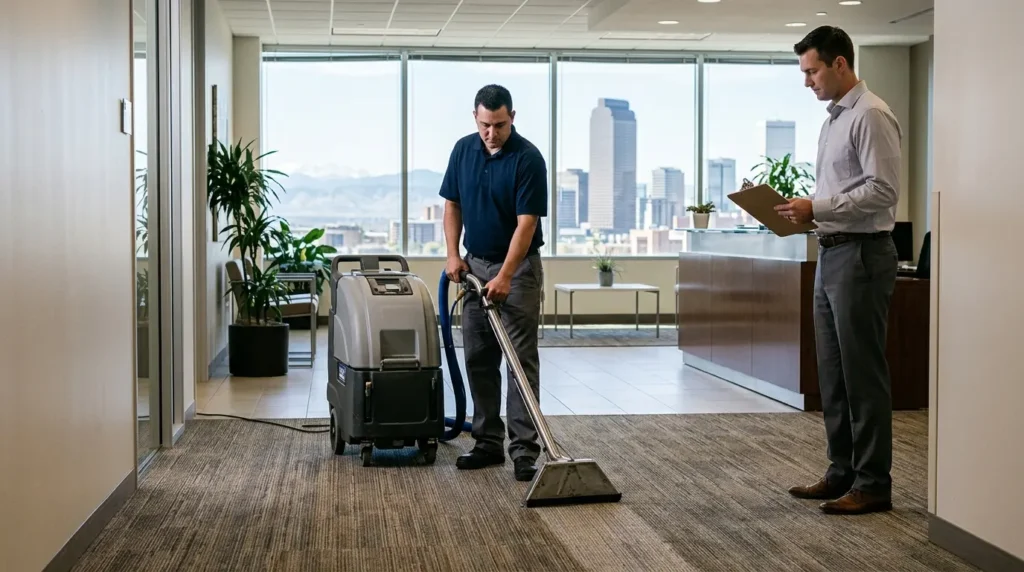
A clean carpet can enhance the appearance of an office. It also aids in the management of dirt, moisture, stains, and wear in high-traffic daily areas of the facility. A steady commercial carpet cleaning Denver schedule is particularly beneficial for businesses in Denver, particularly those that have seasonal operations.
Denver receives regular snowfall during the colder months. The National Weather Service lists a 1991–2020 seasonal snowfall normal of about 49 inches for the former Central Park/Stapleton observation site. Snow, moisture, and outdoor debris can all make their way into office buildings through entrances and busy walkways.
Your Commercial Carpet Cleaning Checklist at a Glance
Facility managers can use this simple checklist to keep carpet maintenance organized:
| Frequency | Carpet Maintenance Tasks |
| Daily | Vacuum entrances, inspect spills, check high-traffic areas |
| Weekly | Vacuum thoroughly, inspect stains, check carpet edges |
| Monthly | Review wear patterns, inspect problem areas, deep vacuum |
| Quarterly | Schedule professional cleaning based on traffic and carpet condition |
| Seasonally | Increase entrance care during snow and wet-weather periods |
| As needed | Treat spills, water exposure, heavy stains, and unusual odors |
The precise timing will depend on the building. You’ll need to compute differently for a small office with few visitors versus a busy office building, medical office building, retail office, or multi-tenant commercial building.
Daily Tasks for Office Carpet Care
The area where the most dirt is gathered should be the focus of daily maintenance. Frequently, the entrances, corridors, reception areas, elevators, break rooms, and spaces between workplaces will see much higher foot traffic than private offices.
Check High-Traffic Areas
Tackle each room and inspect for any signs of dirt, broken carpet fibers, stains, or darker areas that are visible in the pile. Early detection can result in easier management.
Vacuum Entrances and Walkways
Vacuuming removes dust and dirt before they are driven further into carpet fibers. Mats should also be inspected and cleaned for the prevention of dirt and water from entering the interior surface of the floor. EPA guidance for indoor environments includes the principle of keeping areas clean and dry, and states that dust and dirt particles can be transported into a building from the outside.
Respond to Spills Quickly
Never leave coffee, food, cleaning solution, or any other liquids on commercial carpet. Clean in accordance with the manufacturer’s care guidelines and be sure to use the right carpet cleaner products for the type of floor.
Weekly and Monthly Maintenance
A good business carpet maintenance plan should not be limited to cleaning. It is important for facility staff to check the carpet regularly and make note of carpet areas that tend to get stains or wear over time.
Use a weekly walk-through to check:
- Reception and waiting areas
- Hallways and corridors
- Conference rooms
- Break rooms
- Entrances
- Stairways
- Areas around desks and workstations
Compare these areas with previous inspections each month. If stains are repeated or wear is excessive, then it may be time to change the maintenance program.
Seasonal Carpet Care for Denver Offices
The weather challenge in Denver is an extra reason why entrance maintenance is crucial. Snow and winter moisture can also cause water and debris to enter commercial areas, and the warmer seasons can result in more activity outside and added dust.
Winter
Have suitable walk-off mats at entry points and check them during snow periods. Clean entrance areas more often during damp or snowy weather. Take immediate action if water is on carpet. Water-damaged carpet should not be left to dry naturally. Problems of the indoor environment can be caused by moisture when materials stay wet.
Spring
Spring is a good time to check carpet following winter. Check for salt residue, stains, compacted fibers, and dirt around porches. Set up a thorough cleaning when regular vacuuming will not remove visible dirt.
Summer
Summer office activity may increase in some commercial properties because of events, visitors, construction, or changes in employee schedules. Continue regular vacuuming and watch for increased wear in shared spaces.
Fall
Fall is a time to clean up entrances in advance of winter weather. Review the previous winter’s problem areas and adjust the maintenance schedule before snow becomes a recurring concern.
When Should a Denver Office Get a Professional Carpet Cleaning?
There is no single professional cleaning frequency that applies to every commercial property. The U.S. Environmental Protection Agency specifically states that it has not issued an official universal carpet-cleaning schedule and recommends following carpet manufacturer guidance and accepted industry practices.
Instead of choosing a frequency simply because it is common, consider:
- Amount of daily foot traffic
- Number of employees and visitors
- Carpet type and age
- Presence of food or beverage areas
- Outdoor conditions
- Entrance design
- Existing stains
- Maintenance history
Commercial spaces that are used heavily might require more frequent professional cleaning than lightly used offices.
Preparing the Office Before Professional Cleaning
Properly preparing the worksite will allow the cleaning staff to work more efficiently and enable the facility manager to review the cleaning process.
Before professional carpet cleaning:
- Remove loose items from the floor.
- Secure important documents and office equipment.
- Identify stains that need special attention.
- Tell the cleaning team about previous treatments.
- Point out water damage or recurring problem areas.
- Confirm which rooms need cleaning.
- Plan access around employee schedules.
If the property is a large one, then try working outside of business hours or during times of low occupancy. EPA guidance also suggests coordinating cleaning and maintenance tasks with building management and taking into account the potential for exposure by the building occupants during maintenance tasks.
Choosing the Right Commercial Cleaning Method
The method of carpet cleaning should be suited to the type of carpet, the amount of soil in the carpet, the carpet manufacturer’s requirements, and the requirements of the building. Depending on the flooring, professional carpet cleaners can utilize some of the methods, including hot water extraction or any other approved methods.
The objective is not simply to make the carpet appear cleaner. The correct cleaning will not only clear the dust but also reduce the excess moisture and preserve the fibres of the carpet. Don’t mix cleaning products or apply too much stain remover. A carpet cleaning product used on one carpet may not be suitable for a different carpet.
Steamrite can be part of a recurring professional cleaning plan for Denver businesses that need consistent carpet maintenance across busy commercial spaces.
How Property Managers Can Track Carpet Condition
Keeping a simple log can make recurring carpet cleaning a lot more manageable. Facility managers just need to track a few basics like:
- Cleaning date
- Areas cleaned
- Stains requiring additional treatment
- High-traffic zones
- Water or moisture incidents
- Recurring problem areas
- Recommended follow-up date
This creates a useful history for the property and helps identify patterns. If the same hallway repeatedly develops heavy soil, for example, the solution may involve more frequent vacuuming, better entrance mat maintenance, or a different professional cleaning schedule.
Protecting Workplace Appearance Between Deep Cleans
Routine upkeep between deep cleans plays a big role in preserving commercial floors. Daily habits shape how quickly carpets get messy. Encourage staff to report spills instead of just waiting for the next scheduled cleaning. Make sure entry mats are taken care of, vacuum heavily used areas regularly, and deal with moisture issues right away.
These steps go a long way toward stretching out carpet life and cutting down how much dirt settles deep into the flooring. Carpet maintenance even ties into larger hygiene goals. EPA guidelines show things like dust, dirt, allergens, and how you clean all impact indoor air quality in offices.
Frequently Asked Questions
What is the right carpet cleaning schedule for a Denver office?
It really depends on how busy your building is, the condition of the carpet, and what the manufacturer suggests. High-traffic offices usually need cleaning more often than quieter spaces. Facility managers should check busy zones often and adjust the plan if they notice more dirt or wear.
Do Denver offices need extra carpet care during winter?
They may need additional attention during snowy weather; tracks in extra moisture and debris, especially near entrances. More regular vacuuming and keeping entry mats clean can help. If dirt just isn’t coming up through standard cleaning, it’s probably time for a deeper service.
What should facility managers do about carpet spills?
Deal with spills fast and follow the carpet manufacturer’s instructions. Don’t scrub aggressively or use unapproved cleaners. Keep track of spill-prone spots; noticing patterns can help you rethink maintenance routines or add extra protection in those areas.
Can regular carpet care help commercial flooring last longer?
It does help cut down on soil buildup and carpet wear, which can mean a longer life for the flooring. Still, results depend on the carpet, the amount of foot traffic, your cleaning habits, and general floor condition. Always follow what the manufacturer recommends.
Final Thoughts: Make Commercial Carpet Maintenance Easier to Manage
A good Commercial Carpet Cleaning Denver plan keeps things clear and manageable, easy to stick with, yet flexible enough for your building’s needs. Daily walk-throughs, routine vacuuming, focused entryway care, quick spill cleanup, and regular professional cleaning all work together to keep floors in shape.
Steamrite can support businesses that want professional carpet cleaning as part of a recurring facility maintenance plan. The key is to treat carpet cleaning as ongoing maintenance rather than waiting until heavy soil, stains, or visible wear become difficult to ignore.