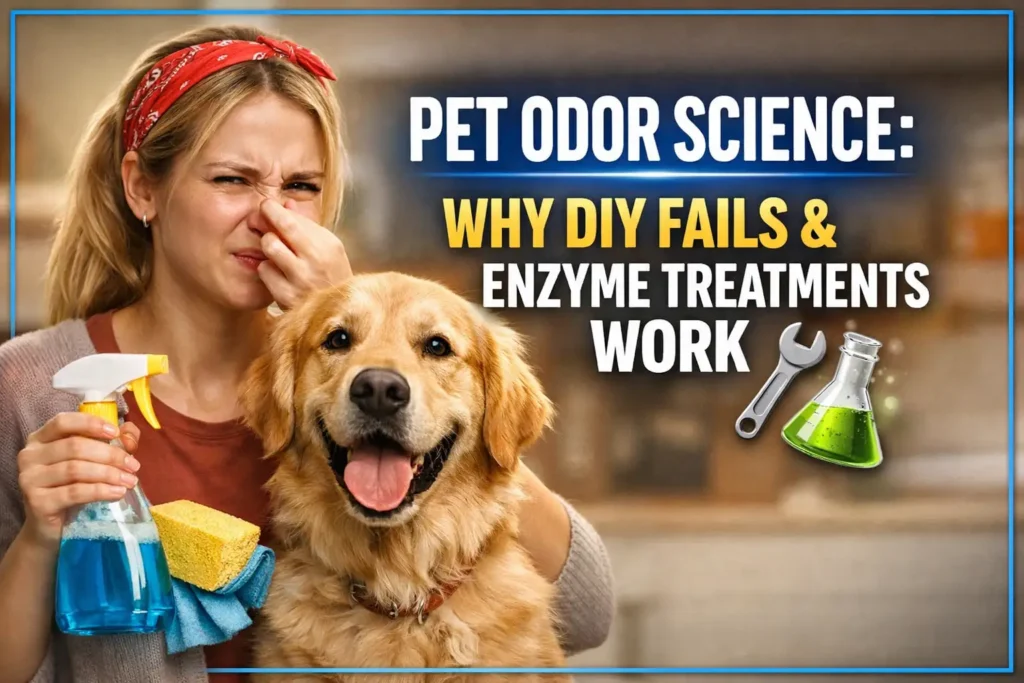
Furry family members bring a lot of happiness; however, pet owners are more than aware that they may lead to situations that can be difficult to clean up. You are not alone, in case you, too, have done all you could to make the pet urine smell out of your carpet, only to have it return. The vast majority of pet owners end up wasting hundreds of dollars on products that promise to achieve miraculous results, but you end up frustrated and with your home still smelling of a litter box. This guide will discuss the reasons that these offensive odors of pets are so stubborn, even when you are determined to get rid of them using DIY methods, and how professional pet odor remover enzyme products can save the day.
The Multifaceted Pet Urine: Why This is Not Just Another Stain
When your pet does its business on a carpet or furniture, then you are not dealing with such a simple situation as a water-based spill. New pet urine starts as a weak acid solution, which consists of urea, creatinine, uric acid, and other electrolytes. When the urine evaporates, the bacteria start decomposing the urea, releasing ammonia compounds and making the environment much more alkaline, thereby damaging carpet fibers and backing.
The problematic constituent of pet odor removal is uric acid, which forms crystals when dry and cannot be dissolved using regular cleaning products. They may also lie in dormancy in your carpets, padding, and even subflooring for as long as several years and then burst into action when humidity strikes, giving off odors many years after you believed the issue was resolved.
This is especially a difficult problem due to the seasonal variations and humidity. In humid summer seasons, the crystallized materials have the ability to rehydrate and emanate the path again, which is why pet odours occasionally recur mysteriously on very humid days in areas that have been cleaned many times.
Why Your Home Cleaning Hacks Continue to Fail
The problem with pet owners is that they are in a frustrating loop where they clean their pets’ messes only to be disappointed by the reappearance of odors and stains. Such a trend takes place due to a number of important factors:
A majority of the household cleaning products do not target the specific chemistry of the pet urine. They may extract the water-soluble substances but fail to produce the uric acid crystals that result in lingering smells.
DIY carpet cleaning machines bought by consumers do not have the necessary power to extract deep into the carpet padding, where most of the contamination lies. Professional equipment produces forces of extraction that are up to 10 times stronger than those of a rental machine to reach the contamination that DIY machines can not reach at all.
Poor cleaning methods will even increase the problem. The application of hot water on protein based pet stains is basically a way of cooking the proteins and fixing them permanently on the carpet fibers. Also, most domestic cleaners are mixtures of ammonia, which is a chemical analog of substances in urine, and could even incite pets to scratch the same spots.
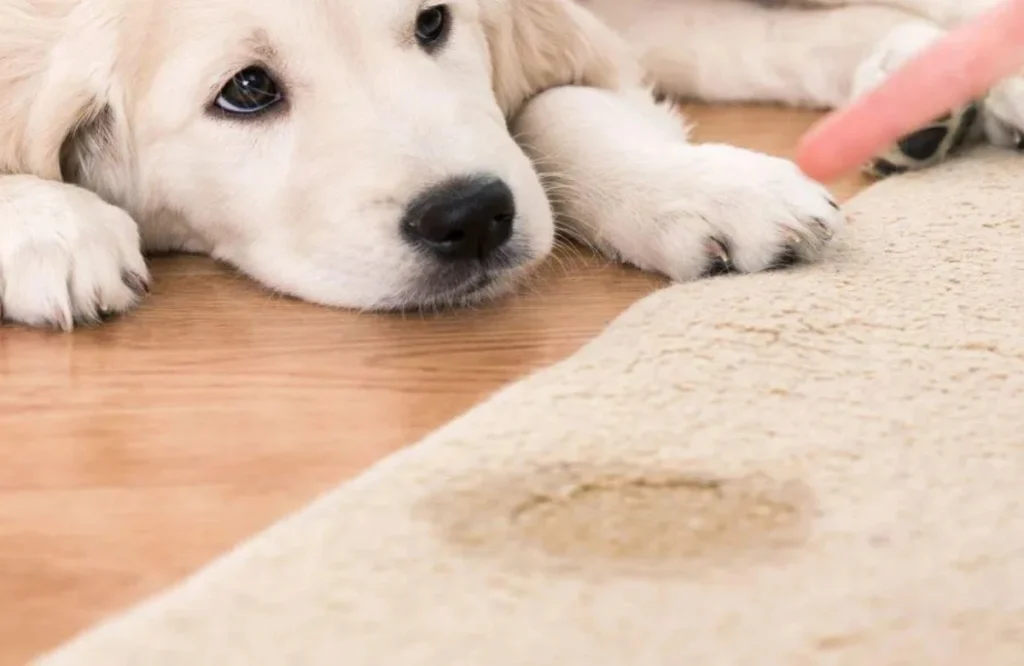
Why Enzyme Cleaners Are So Effective
Enzyme cleaners do not conceal the smell nor force a stain to go deeper. They break down the organic compounds, which bring about smells and stains. Here’s how they work:
- Specific breakdown: Individual enzymes act on specific compounds (proteins, fats, and starches) in specific ways.
- Total destruction: They dissolve uric acid crystals, which traditional cleaners are unable to get hold of.
- Deep penetration: Enzymes work for hours, penetrating with deeper cleaning than on the surface.
- Safe residue: Sometimes, only water and non-toxic byproducts should be left behind.
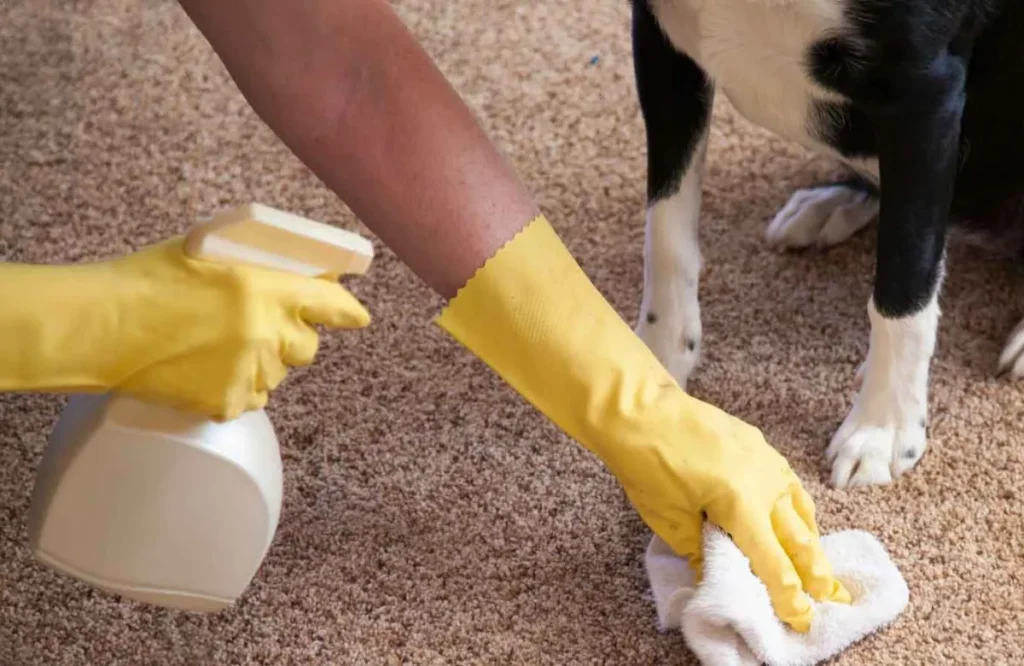
When to Call Professionals
Although small-scale accidents that are detected quickly may occasionally be addressed at home, there are some circumstances that are just virtually impossible to handle without the involvement of a professional:
- The odors keep coming back even after washing up several times.
- Observable stains that cannot be removed using consumer products.
- Many points of problem in the house.
- Health related issues like respiratory irritation or allergic reactions by family members.
Such cases imply that there is a high possibility that contamination has exuded the surface of the carpet to the padding or subflooring, and appropriate professional-level extraction and treatment are needed to eradicate it.
Prepared to Get Rid of Pet Smells and Stains?
No need to spend additional time and money on short-term solutions that would not fix the actual chemistry of pet stains and odors. Steamrite provides stain and odor removal services, which are permanent solutions, such as pet odor remover enzyme.
We can demonstrate to you why so many pet owners are confident in us to clean up their homes and make them fresh again, regardless of the adventures their furry family members cause! Contact us today!
FAQs
What makes DIY techniques ineffective in getting rid of the pet odors?
Home cleaners such as vinegar or bleach merely cover the smell or drive the odor deep into the carpets and padding. They do not decompose the organic proteins and uric acid crystals of pet urine, and afterward the odorous come back when it is moistened.
Explain the effectiveness of enzyme treatments in pet odors?
Enzyme therapies involve the use of natural proteins for pet odor removal from carpet, such as protease. This gets rid of the sources, such as urine proteins, permanently and not by covering them.
Would enzyme treatments be more effective than other cleaners?
Yup, enzymes find and destroy pet waste, even in the deep layers, where surface cleaners or steam technologies struggle.