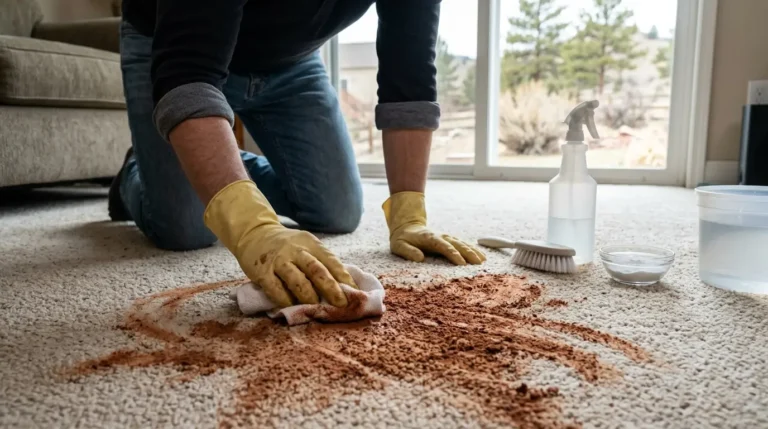
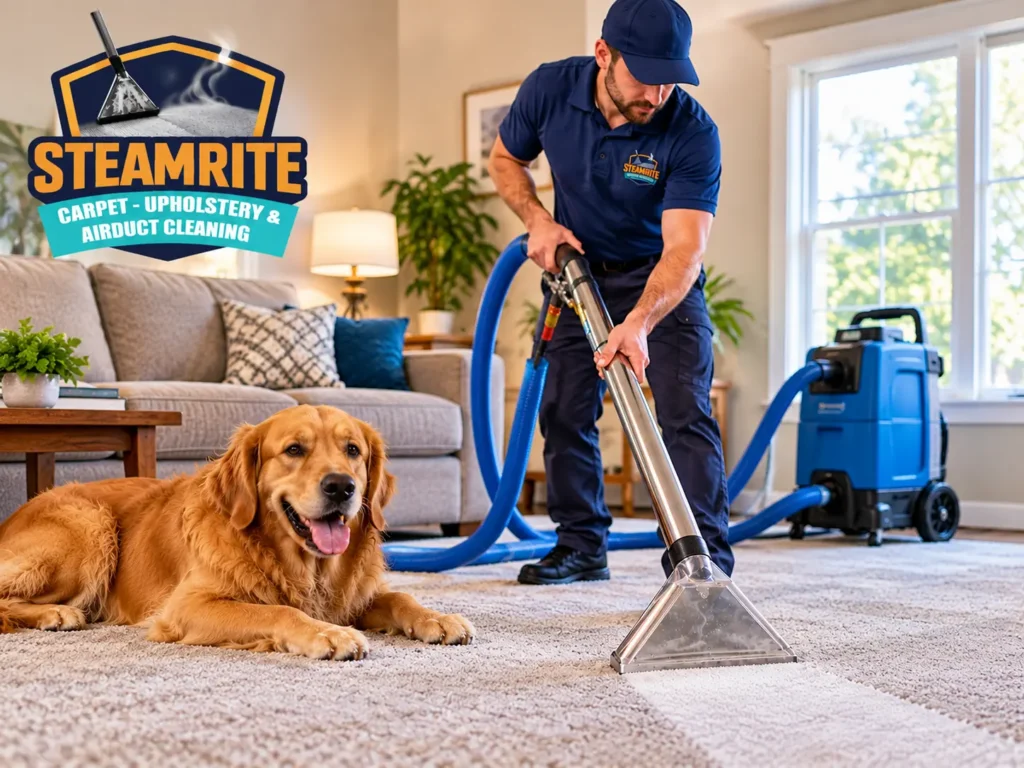
You have your carpets professionally cleaned, the stains look better, and the room smells fresh. Then, a couple of days later, the same pet urine odor is back. If you have had this happen in your Parker, CO home, the issue could be more serious than just the carpet fibers.
Urine may still smell even after a carpet appears to be clean because the urine is trapped in the deeper layers of the carpet. Odor-causing residue can be found in the carpet padding, on the subfloor, and in the carpet itself. When you know what is causing the odor, you can select a treatment that will take care of the source rather than just masking it.
The Urine May Have Reached Beneath the Carpet
Pet urine is not always on the surface. It can penetrate carpet fibres, pass through to the backing and then into the padding and subfloor underneath. If there is a sufficient build-up of urine, the subfloor could also be compromised.
Routine carpet cleaning will enhance the look of the carpet, but not remove all the contamination under the carpet. The reason is that even if a carpet appears clean, the room still has an odor.
The extent of the problem depends on several factors:
- How much urine was released and how often accidents occurred.
- How quickly each accident was cleaned.
- Whether the liquid reached the carpet padding or subfloor.
- Which cleaning products were used during earlier treatments.
If contamination has spread beneath the carpet, treatment needs to go down to the contaminated materials. Only cleaning visible fibers may not be sufficient to remove odors. For deeper contamination, professional pet urine and odor removal may help address the source beneath the carpet surface.
Moisture Can Make Hidden Odors Noticeable Again
A frequent cause for pet odors to come back after carpet cleaning is moisture from the residue reactivating. Some components in the urine have a tendency to persist in the carpet or subfloor and cause odors when dried. Adding moisture may make the smell more noticeable again.
This can occur as a result of steam cleaning, spills, humid environments, and inadequate drying. Parker’s weather may include dry spells and wetter weather, but the moisture levels inside the house and the depth of contamination are more important than the weather outside.
If the odor becomes stronger when the carpet is wet, do not wet the carpet or clean it again and again. Excess liquid can force urine deeper, prolong drying time, and increase the chances for mold growth. Extraction and drying are critical steps in the cleaning.
Deodorizing Is Not the Same as Removing the Source
The fragrance of a carpet deodorizer can make a room smell better, but that is not enough to remove the urine contamination. Some products temporarily cover up bad odours; they do not decompose the chemicals.
Successfully removing pet odor requires finding out what has been contaminated and then using a treatment that’s effective for the carpet and odor.
| Cleaning approach | What it does | Main limitation |
| Air freshener | Masks unpleasant smells | Does not treat urine residue |
| Surface cleaning | Removes soil and residue near the carpet surface | May miss contamination below the fibers |
| Enzyme treatment | Uses enzymes to break down certain organic residues | Results depend on choosing the right formula and applying it correctly. |
| Deep extraction | Removes moisture and loosened residue from accessible carpet layers | May not reach a heavily contaminated subfloor |
None of these methods will be suitable for every accident. In severe or repeated cases of urine contamination, more than one treatment or attention to materials under the carpet may be necessary.
Previous Cleaning Products May Affect the Results
Products used prior to professional cleaning may affect the effectiveness of an odor treatment. Household cleaners may leave a residue, or they may inhibit a product designed to remove urine contamination.
For example, vinegar and baking soda are household solutions that don’t always eliminate deeply embedded pet urine. When multiple cleaners are used, it can be hard to identify the source of the smell.
Inform the cleaner of what you have already attempted prior to scheduling service. Tell them if you used a store-bought stain remover, enzyme cleaner, deodorizer, or other solution. This information will enable the technician to select an appropriate method and prevent repeated treatment. Do not combine cleaning products. Use treatments following product directions and carpet care guidelines, especially for delicate fibers or coloured carpet.
The Carpet Padding or Subfloor May Need Attention
If the urine keeps coming to the padding more than once, regular cleaning might not be sufficient. The absorbent padding can trap contamination, and it can be left in the carpet even after the carpet surface is treated.
A pet odor removal technician will take a look at the area, then determine the extent of the urine and whether treatment from the top is likely to be effective. It is possible that in extreme situations, pieces of carpet need to be lifted up to check the padding and subfloor.
If the urine has permeated the padding, changing the pad can sometimes be the best option. Some subfloor material may also have to be suitably cleaned and dried before the carpet can be reinstalled and also treated if necessary. Changing the carpet will not help if there are contaminated materials under it that are not treated.
How to Help Prevent Pet Odors From Returning
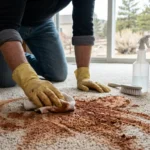
Cleaning up a pet accident promptly helps prevent urine from soaking into the carpet padding. Do not rub into fibers; use a clean cloth or paper towels to blot fresh urine. Follow label directions with a carpet-safe product and let the area dry thoroughly.
If it is a recurring accident, take note of the location. Several incidents in the same location may indicate that contamination has built up over time. A black light inspection can help detect some urine spots, but it is not conclusive, as other materials can also be fluorescent and older spots may not be visible.
If odors continue after cleaning, avoid repeating the same surface treatment without reassessing the source. As a professional carpet cleaning company in Colorado, Steamrite can help homeowners explore carpet cleaning and pet odor treatment options based on the condition of the carpet and the extent of the problem.
Frequently Asked Questions
Why does my carpet smell like dog urine after professional cleaning?
Urine may be left behind on carpet backing, padding, or even subfloor during a surface clean. If there is moisture left in the remaining layers, there is a possibility that these layers will need to be further evaluated and treated, depending on the remaining odor.
Do lingering pet odors mean I need new carpeting?
Not necessarily. Sometimes you can get rid of the smell with the right treatment and extraction. But if the padding or subfloor is heavily contaminated, or if the materials can’t be restored, then it might be time to replace your carpet.
Will an enzyme cleaner permanently remove pet urine smell?
Enzyme cleaners break down some urine residues, as long as you use the right product the right way. How well it works depends on how deep the contamination goes, how thoroughly you treat the area, and whether the cleaner actually reaches every affected spot.
Should I clean the carpet again if the smell returns?
First, figure out why the odor’s back. Just repeating the same cleaning isn’t going to do much if there’s still urine stuck underneath the carpet. A focused inspection helps you decide what to do next.
Final Thoughts: Treat the Cause, Not Just the Smell
If the pet scent keeps recurring, it indicates there is still some contamination, even though your carpet appears clean. The fix depends on the place the urine reached, the methods you’ve used, and if the padding or subfloor was affected.
For homeowners looking for carpet cleaning services in Parker, CO to address recurring pet odors, Steamrite can help assess the carpet and determine an appropriate treatment plan. Addressing the source early gives you a better chance of restoring a fresher indoor environment without unnecessary repeat cleaning.