
There is no single cleaning schedule that works for every tiled surface. A quiet guest bathroom may stay clean for a long time. A busy kitchen, shower, or entryway may need professional help much sooner.
So, how often should tile and grout be cleaned by a professional? A yearly condition check is a useful starting point for most homes. However, the actual timing should depend on traffic, moisture, pets, children, spills, and the condition of the grout. You may need service sooner when normal mopping no longer restores the grout lines.
This guide explains how to judge the right time for professional cleaning. It covers kitchens, bathrooms, entryways, homes with pets and children, and busy commercial floors. It also explains which warning signs matter more than a fixed calendar date.
Is There a Standard Professional Tile Cleaning Schedule?
No universal schedule applies to every floor. Tile type, grout material, room use, and cleaning habits all affect how quickly dirt builds up.
Instead of booking service based only on the date, inspect the floor at least once a year. Compare the grout in busy areas with grout under a cabinet, appliance, or rarely moved item. This can show how much the exposed surface has changed.
Professional cleaning may be due when:
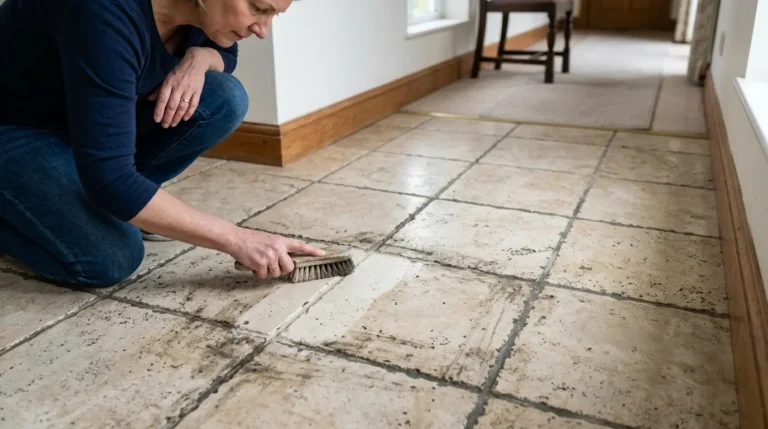
- Grout remains dark after normal mopping
- Tile feels sticky after drying
- Shower grout holds heavy soap film
- Kitchen grout has greasy buildup
- Dirt returns soon after cleaning
- Grout color looks uneven
- Odors remain near the tiled area
- Home cleaning takes more time but gives weaker results
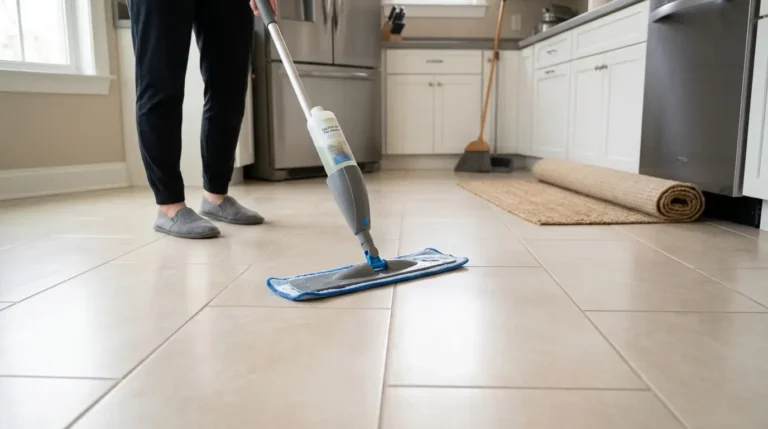
Routine maintenance should happen much more often than professional deep cleaning. Sweep, vacuum, wipe spills, and clean the floor as needed. Professional service is for buildup that normal care can no longer remove safely.
What Determines How Often Grout Needs Deep Cleaning?
The right professional grout cleaning frequency depends on how much soil and moisture the surface receives.
Grout is often lower and rougher than the tile around it. Dirt can settle into the joints while a mop passes over the flat tile surface. Cement-based grout can also absorb liquid and stains if it is open or poorly protected.
The main factors include:
- Number of people in the home
- Pets and young children
- Shoes worn indoors
- Room ventilation
- Cooking grease
- Shower moisture
- Cleaning products used
- Quality of routine maintenance
- Grout condition
- Presence of a suitable sealer
- Type of tile or natural stone
A large household may need professional service more often than one person living in the same type of home. The floor material may be identical, but the daily soil load is not.
How Often Should Kitchen Tile and Grout Be Cleaned?
Kitchen tile should receive regular home care, while professional cleaning should be scheduled when grease, food residue, and dark grout stop responding to normal cleaning.
Kitchen grout often becomes dirty faster than grout in bedrooms or guest areas. Cooking can leave a fine greasy film on nearby surfaces. Food spills, drink splashes, crumbs, and dirty shoe traffic add more buildup.
Areas near the stove, sink, refrigerator, dining table, and trash bin may need attention first. You may notice that these sections look darker than the rest of the floor.
Signs that professional kitchen cleaning may be due include:
- Grout feels greasy or sticky
- The floor has a dull film
- Mop water becomes dirty very quickly
- Grout remains dark after scrubbing
- Food odors remain near the floor
- Soil returns soon after the area dries
Do not wait for the whole kitchen to turn dark. Cleaning becomes more difficult as grease and dirt build up inside the grout.
A suitable tile floor cleaning schedule should include frequent sweeping, fast spill removal, and careful mopping. Professional cleaning can then be used when surface care no longer gives an even result.
How Often Should Bathroom and Shower Grout Be Cleaned?
Bathroom grout should be checked often because it faces moisture, soap, shampoo, body oils, and limited airflow. Professional cleaning may be needed sooner in a main family shower than in a guest bathroom.
There is no fixed shower grout cleaning frequency for every home. The surface should be professionally cleaned when soap film, discoloration, or dark spotting continues after safe home cleaning.
Watch the following areas:
- Lower shower walls
- Corners and joints
- Grout behind bottles
- Tile near the drain
- Areas below dripping fixtures
- Grout beside failed or loose caulk
Moisture control can extend the time between deep cleanings. Run the bathroom fan, remove standing water, use a squeegee, and allow the shower to dry.
Cleaning will not fix every bathroom issue. Dark marks that return in the same place may point to failed caulk, poor ventilation, a plumbing leak, or moisture behind the tile. Cracked grout and loose tiles may also need repair rather than stronger cleaning.
How Often Should Entryway Grout Be Professionally Cleaned?
Entryway grout should be cleaned when tracked-in soil has darkened the joints and normal mopping no longer removes it. The timing will depend on shoe traffic, weather, and how well the entrance is protected.
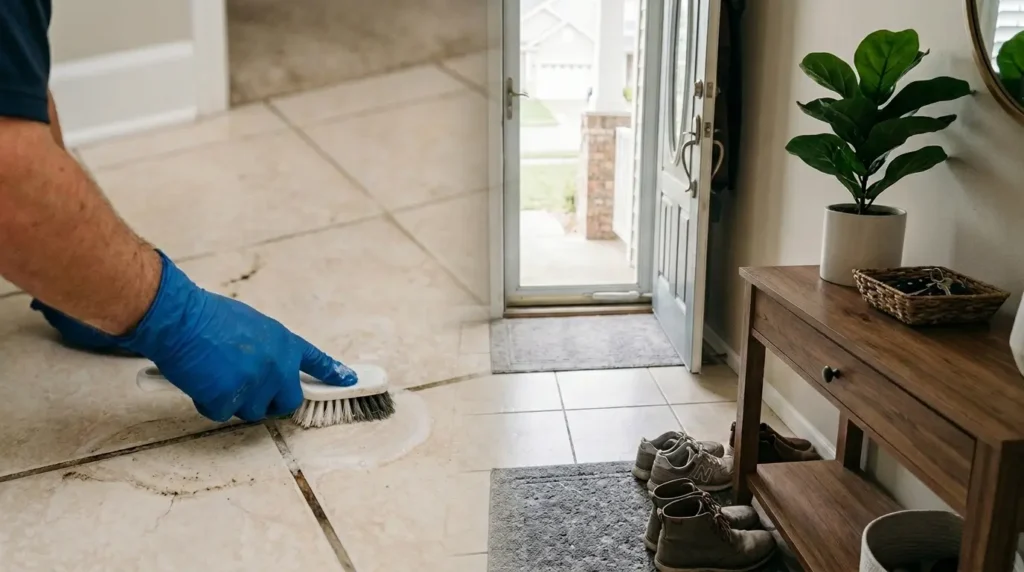
Aurora entryways can receive dry soil during warmer periods and wet grit during winter weather. The City of Aurora uses liquid and granular deicer as part of its snow-removal work, which can mean moisture and fine road residue are carried toward busy entrances on shoes.
Use mats outside and inside the entrance. Vacuum or shake them out before they become packed with soil. Remove wet shoes near the door and wipe up slushy water before it dries.
Professional cleaning may be needed when:
- Entry grout is much darker than nearby rooms
- White or dull residue appears after winter
- The floor remains gritty after mopping
- Low grout lines collect dirty water
- Repeated cleaning gives uneven results
An entryway may need attention sooner than a low-use tiled room, even when both floors were installed at the same time.
Do Homes With Pets Need More Frequent Grout Cleaning?
Homes with pets may need professional grout cleaning sooner because paws, hair, food, water, and accidents add more material to the floor.
Pet urine can enter porous grout when it is not cleaned quickly. The surface may look clean while odor-causing residue remains inside the joint. Steamrite notes that urine can reach porous grout lines and leave residue below the surface.
Pet households should watch for:
- Odor near grout lines
- Dark areas around food bowls
- Water stains near pet dishes
- Soil near doors used by pets
- Repeated staining in one location
- Hair collecting along textured joints
Clean accidents as soon as possible. Blot liquids instead of spreading them across the floor. Use a product that is safe for the tile and grout type.
Professional service may be useful when odors return, the stained area is large, or urine has remained on the floor long enough to enter porous joints.
Do Children Affect the Cleaning Schedule?
Homes with young children often experience more food spills, drink marks, craft residue, muddy shoes, and floor-level activity.
This does not always mean the whole floor needs frequent professional cleaning. It means busy areas should be checked more closely.
Pay attention to:
- Tile below high chairs
- Kitchen dining areas
- Bathroom floors
- Mudrooms
- Play areas
- Doors leading to the yard
- Floors near snack storage
Fast spill cleanup can prevent many stains. Sweep food crumbs before mopping so they do not turn into dirty water.
Professional cleaning may be due when several busy zones have become uneven in color or when normal cleaning leaves a sticky surface.
Does Sealed Grout Need Less Professional Cleaning?
Sealed grout may resist stains better, but it still needs routine and professional cleaning.
A grout sealer is not a permanent shield. It does not stop dirt from sitting on the surface, and it does not make grout stain-proof. Cleaning products, foot traffic, moisture, and age can also affect the protection over time.
Before sealing grout, the surface should be properly cleaned. Applying sealer over dirt or residue may lock in an uneven appearance.
The Tile Council of North America explains that cement-based grout is porous and often benefits from sealing. It also notes that dirty cleaning water should be removed from grout rather than left to settle back into the joints.
Check sealed grout when:
- Water begins to darken it quickly
- Stains enter more easily than before
- Some sections absorb water while others do not
- The floor has recently received deep cleaning
- The original sealer is old or unknown
Ask a tile professional whether sealing suits the grout and tile type. Some grout products and surfaces have different care needs.
Does Tile Type Change the Cleaning Frequency?
Yes. The material and finish affect both the cleaning method and how often professional care may be useful.
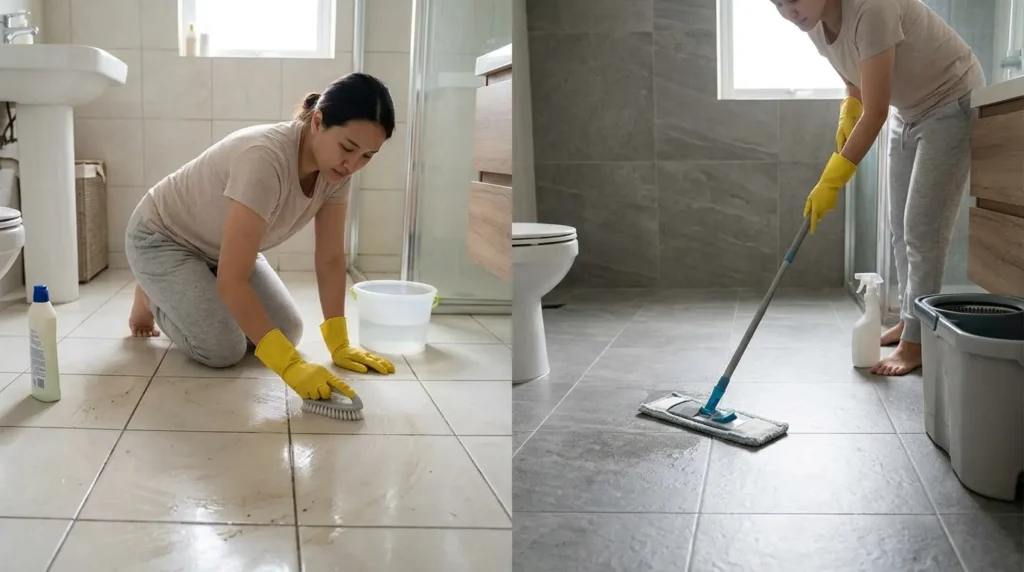
Ceramic and Porcelain Tile
Glazed ceramic and porcelain tile often release surface soil more easily than porous materials. However, the grout around them may still become dark.
Textured porcelain can trap dirt in small surface patterns. Polished tile may show film or streaks when too much cleaner is used.
Natural Stone Tile
Marble, limestone, travertine, slate, and granite need product-specific care. The Natural Stone Institute advises first identifying the stone’s composition so suitable cleaning products can be selected.
Acidic products may damage some natural stone. Avoid using vinegar, lemon, or a harsh grout cleaner until you know whether it is safe for the tile.
Natural stone should be professionally inspected when:
- The finish appears dull
- Dark areas remain after drying
- Previous products left marks
- The stone absorbs moisture unevenly
- You do not know the tile type
A professional cleaning schedule should protect the material, not just make the grout look lighter.
How Often Should Commercial Tile and Grout Be Cleaned?
Commercial tile and grout cleaning should follow traffic, soil level, business type, and appearance standards rather than one fixed schedule.
A small office with limited visitors may need professional service less often than a restaurant, retail store, school, medical space, or busy public restroom.
Facility managers should inspect high-use areas regularly, including:
- Main entrances
- Restrooms
- Break rooms
- Food service areas
- Checkout zones
- Hallways
- Elevator entrances
- Loading and service areas
Professional cleaning may be due when mopping no longer keeps the floor even, grout becomes dark, grease creates a film, or the space no longer meets the business’s appearance standards.
A planned maintenance program can be more practical than waiting until the whole floor becomes heavily soiled. It may also allow busy zones to be cleaned without treating every tiled area at the same frequency.
What Are the Signs You Have Waited Too Long?
The best answer to how often to clean grout comes from the condition of the floor. The calendar matters less than visible warning signs.
You may have waited too long when:
- Grout has changed color across the room
- A strong brush no longer improves it
- Tile feels sticky after cleaning
- Dirty water appears as soon as mopping begins
- Shower buildup has become thick
- Kitchen grout holds grease
- Pet odor returns after the floor dries
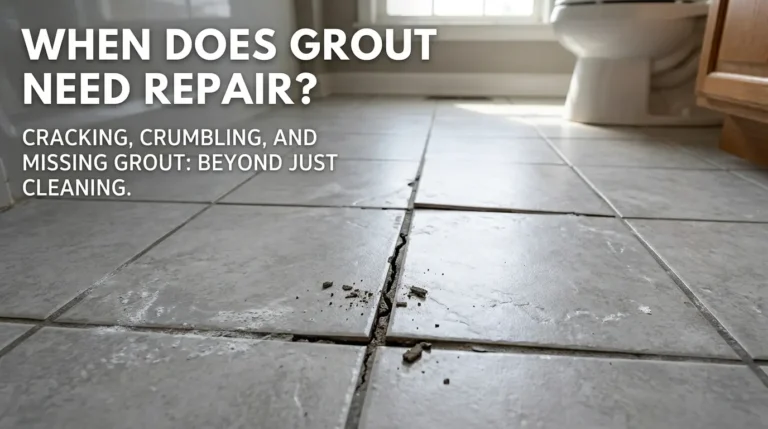
- The grout has started to crack or crumble
- Cleaning products leave more haze than improvement
Cracked, loose, or missing grout is not simply a cleaning problem. The Tile Council notes that movement can cause grout and even tile to crack. Repair may be needed before deep cleaning.
Do not use stronger chemicals to hide damage. Have the surface inspected first.
How Can You Extend the Time Between Professional Cleanings?
Good daily and weekly habits reduce deep buildup. They also make professional cleaning more effective when it is eventually needed.
Start with these steps:
- Sweep or vacuum before mopping.
- Wipe spills quickly.
- Use a cleaner made for the tile type.
- Measure the product correctly.
- Change dirty mop water.
- Rinse when the label requires it.
- Dry wet bathroom areas.
- Clean entry mats regularly.
- Remove wet shoes during snowy weather.
- Check grout and caulk for damage.
Do not use more soap because the floor looks dirty. Extra product can leave residue that attracts new soil.
For more help with recurring soil, read Steamrite’s guide explaining why grout gets dirty again after cleaning.
You can also review the complete tile and grout cleaning guide for information about tile materials, cleaning methods, grout problems, and cost factors.
When Should You Call Steamrite?
Call Steamrite when regular cleaning is no longer restoring the surface or when you are unsure which method is safe.
Professional help may be suitable when:
- Several rooms need deep cleaning
- Grout remains dark after scrubbing
- Kitchen joints hold grease
- Shower buildup keeps returning
- Pet residue has entered porous grout
- Entryway soil has become deeply set
- The tile material is unknown
- You want the floor cleaned before possible sealing
Steamrite provides tile and grout cleaning in Aurora, CO. Its service process includes an inspection, professional cleaning products, scrubbing, and extraction based on the surface condition.
Final Answer: How Often Should Tile and Grout Be Cleaned?
For most homes, inspect tiled surfaces at least once a year and schedule professional cleaning when normal care stops producing good results.
Busy kitchens, family showers, pet areas, and entryways may need help sooner. Guest bathrooms and low-traffic rooms may stay clean for longer. Commercial floors should follow a custom plan based on traffic and business needs.
The best schedule is based on visible soil, moisture, residue, and grout condition. Do not wait for every joint to become black. Early professional care is usually simpler than dealing with years of buildup.
For professional grout cleaning Aurora, Steamrite can inspect the tiled area and recommend a suitable approach without forcing every home into the same schedule.
Frequently Asked Questions
How often should professional grout cleaning be done?
There is no fixed schedule for every home. Inspect the grout yearly and arrange professional cleaning when normal mopping no longer restores it.
Does kitchen grout need cleaning more often?
Often, yes. Kitchen grout receives grease, food spills, crumbs, and regular foot traffic. Busy areas may need professional attention sooner than low-use rooms.
How often should shower grout be deep cleaned?
Deep cleaning is due when soap film, dark spotting, or residue remains after safe routine cleaning. Moisture control can help extend the time between services.
Do pets make grout dirty faster?
Pets can add soil, hair, food spills, water, and urine residue. Pet areas should be checked more often, especially when grout is porous.
Does grout sealing remove the need for cleaning?
No. Sealing can improve stain resistance, but dirt still collects on the surface. Routine cleaning and occasional deep cleaning are still needed.
Can professional cleaning fix cracked grout?
No. Professional cleaning removes soil and residue. Cracked, loose, or missing grout may need repair.
How do I know if mopping is no longer enough?
Mopping is no longer enough when grout stays dark, the floor feels sticky, odors return, or dirt becomes visible soon after drying.
Should commercial tile follow a fixed schedule?
A custom maintenance plan is better. Cleaning frequency should reflect visitor numbers, business type, moisture, grease, and the condition of high-traffic areas.